At this week’s Council Meeting, Council passed legislation to add Accessory Dwelling Units (ADUs) to our City’s Code. All Maryland jurisdictions with zoning authority (such as Laurel) were required to do so by October 1 to comply with the law passed by the Maryland General Assembly earlier this year.
The upshot? - ADUs are now generally permitted on lots with single-family detached homes.
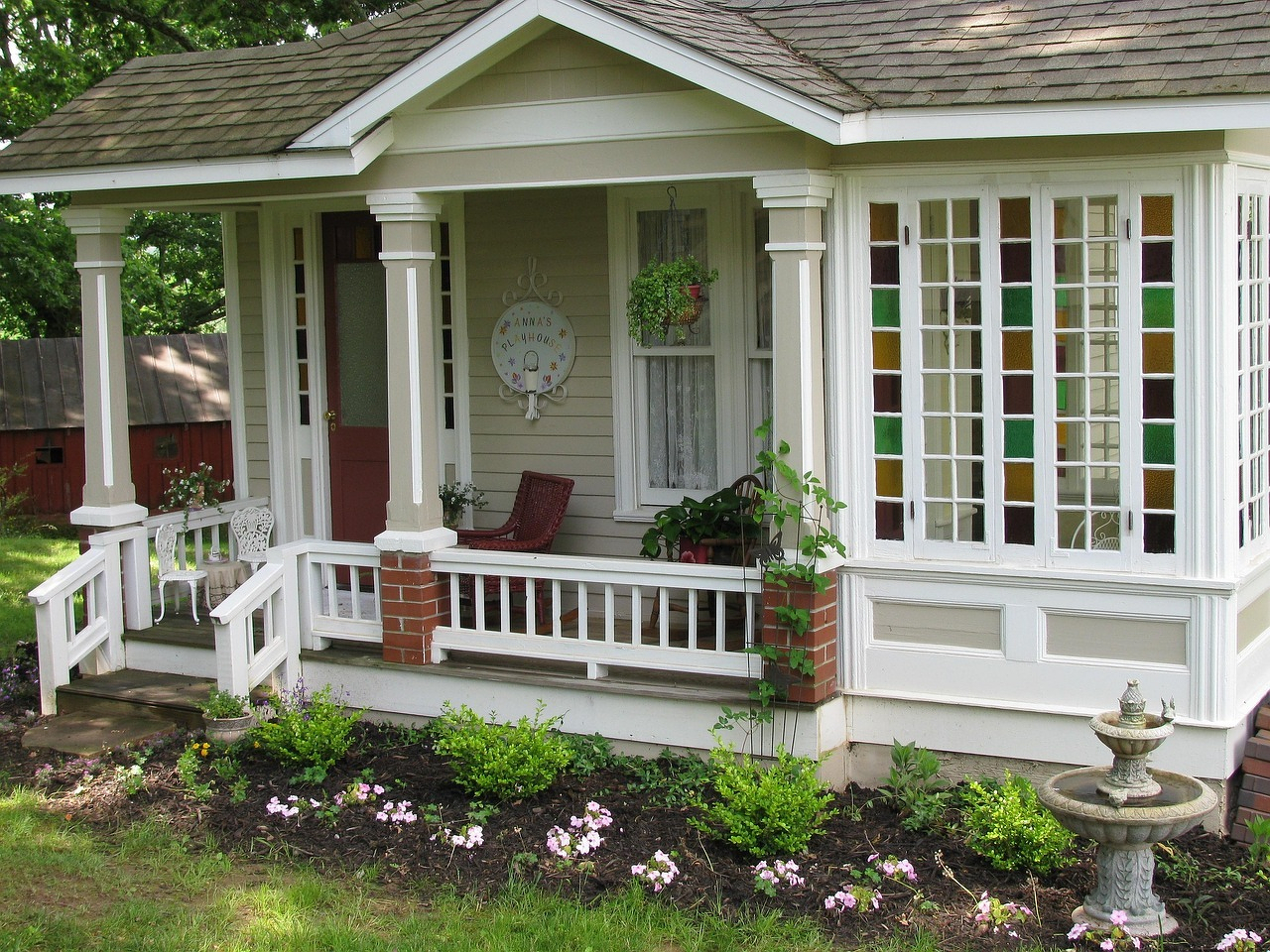
What is an ADU? - Accessory Dwelling Units are essentially secondary living spaces on a property. They have their own electricity, water, food preparation area, sleeping area, and sanitation area. They can either be interior to the primary unit, attached, or completely detached. A common example might be an old carriage house that has been re-done to be its own dwelling unit, often for family members.
A few highlights from the Ordinance passed:
-
Per state law, the ADU can be no more than 75% of the square-footage of the primary unit.
-
And per City law, the ADU is to be visually subordinate to the primary unit and must also comply with the required remaining greenspace for the lot.
-
Per City law, one of the units must be occupied by owner.
-
Per the City law, the ADU must be attached to the WSSC water/ sewer system and be deemed adequate by WSSC (whether by piggy-backing on the primary connection or establishing a new connection).
-
Per City law, ADU height is limited to 18 feet. (The intent here is to limit to two stories and there was discussion on the best way to articulate that, currently going with 18 feet as guidance.)
-
Although not directly addressed in the Ordinance, modular/ pre-fabricated construction is expected to be a permissible construction method.
Hopefully the above is helpful to understand the gist of the changes, and additional details can be found on Maryland’s Accessory Dwelling Unit info page as well as in Laurel’s Ordinance 2057 in the meeting packet from Monday’s meeting.